Home Solar Panels Plus Storage
Today over 80 millions homeowners in the US are experiencing rising Electric bill cost; The cost of electricity has consistently risen for over 40 years, with a 40% increase in the last decade alone, and 30 millions are facing Energy insecurity having difficulty paying the bill. #SolarWillAI #SlivingWill
Get a Free Home Solar Quote Get A free Home Solar Quote Today
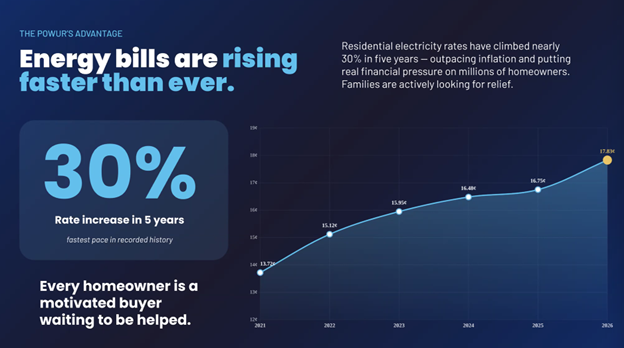
About 80 Millions of Americans face high Energy cost and energy insecurity, struggling to afford household energy for heating, cooling, and daily needs. Low-income households, particularly in rural areas and Southern states, are disproportionately affected due to high energy costs.
Key Issues:
- 25% of U.S. households (30 million) experience energy insecurity.
- AI Disruption Increasing Electric Cost, EBill Rising, Utility Can’t Keep Up
- Extreme heat increases cooling costs, leading to financial hardship.
- Utility disconnections, unsafe heating practices, and reduced spending on food and medicine.
How Solar Helps:
- Get a Free Home Solar Quote Get A free Home Solar Quote Today
- Investing in solar solutions ensures stable electricity bills, reduces reliance on utility companies, and lowers financial strain for families facing energy insecurity. Ready to explore solar for your home? Let’s get started! #SolarWillAI
:
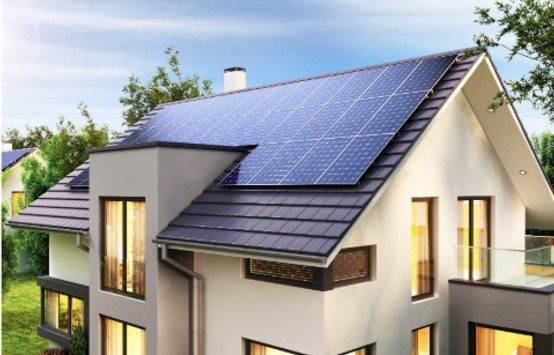
Go Solar, Save Big!
Get your Energy Independent, Go solar and save
Reduce your electricity bills with a home solar system.
Say goodbye to rising electricity costs.
For more information and a free quote how to save money on your Electric Bill, complete this form, We help Homeowners lower their Electric Bill to save money and Eliminate Energy Insecurity:
Get a Free Home Solar Quote Get A free Home Solar Quote Today
Upgrading your home with resilient solar energy and storage is a smart long-term strategy for energy security, cost savings, and sustainability. Homeowners can leverage incentives like the 30%-40% Energy credit and net metering, earning credits for excess solar energy sent to the grid, which offsets costs during lower production periods